
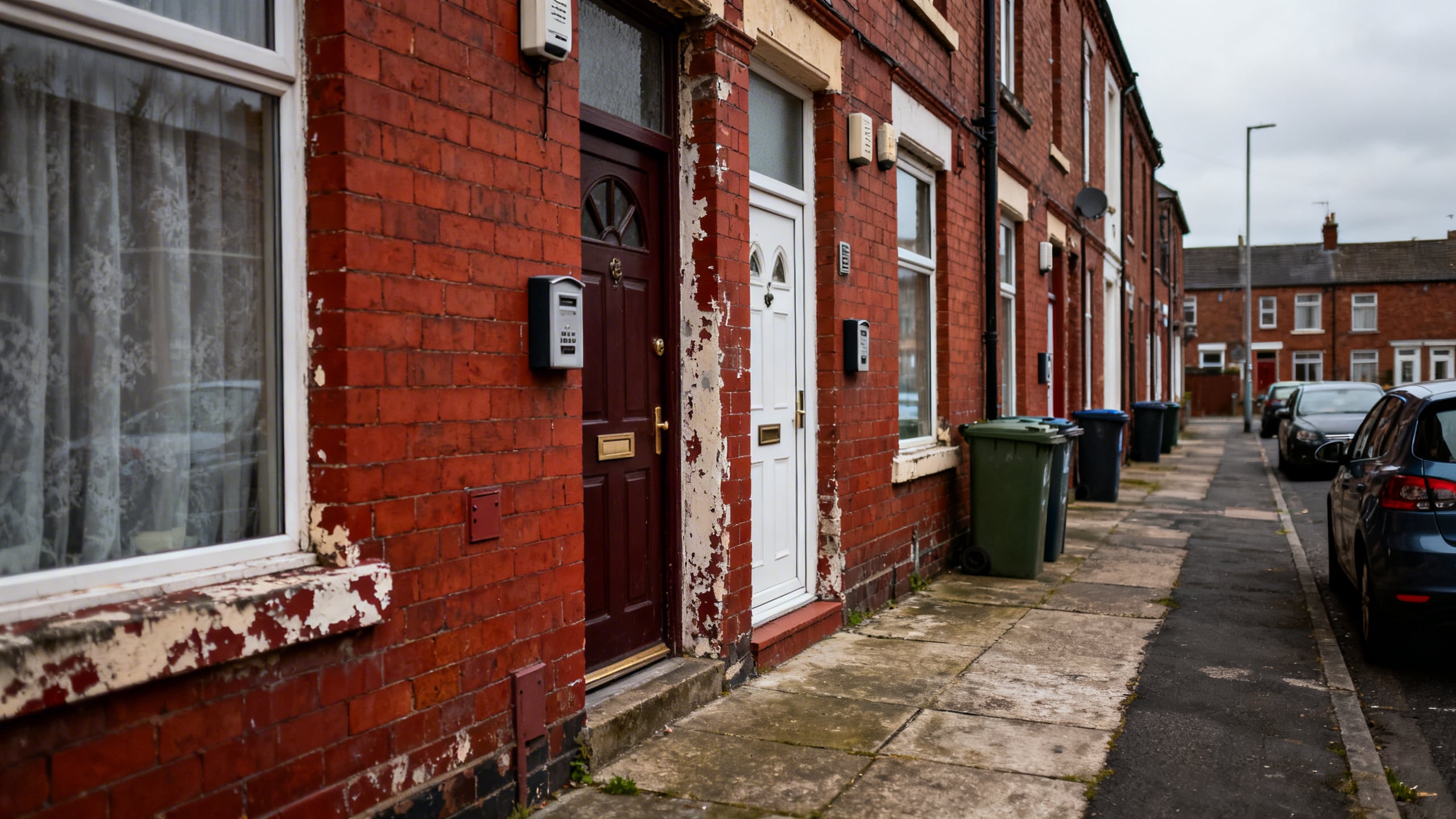
More than half of Houses in Multiple Occupation (HMOs) and converted flats are failing to meet fire safety standards during audits, according to analysis of Home Office statistics.
Data from Direct365 shows that houses converted into flats recorded the highest failure rate of any building type, with 59% of audits resulting in non-compliance. HMOs followed with a 55% failure rate, both exceeding the national average of 42% for buildings that failed their first inspection in England during 2024/25.
Low inspection rates
The figures also highlight the infrequency of fire safety inspections across residential investment properties. Fire authorities conducted 52,026 fire safety audits last year across more than 2.5 million premises under their jurisdiction. At this rate, it would take approximately 48 years to inspect every building once.
Converted residential properties receive particularly limited scrutiny. Only 1.2% of houses converted into flats were audited in 2024/25, while less than 1% of the UK’s estimated 94,000 HMOs received an inspection during the same period.
Karl Bantleman from Direct365 stated: “The data reveals a worrying ‘fire safety lottery’ across the UK. While sectors like care homes see one in five premises audited annually, buildings where people are most at risk, such as houses converted into flats, are slipping through the cracks with significantly less scrutiny.”
Bantleman recommended that landlords and property managers conduct their own fire safety reviews rather than relying on official inspections. He advised keeping emergency exits clear, ensuring fire doors remain closed, and reviewing fire risk assessments annually.
Implications for landlords
The findings raise questions about compliance standards in the HMO and converted property sectors, which have grown significantly in recent years. Property owners in these categories may face increased regulatory scrutiny as fire safety enforcement evolves following legislative changes introduced after the Grenfell Tower fire.