
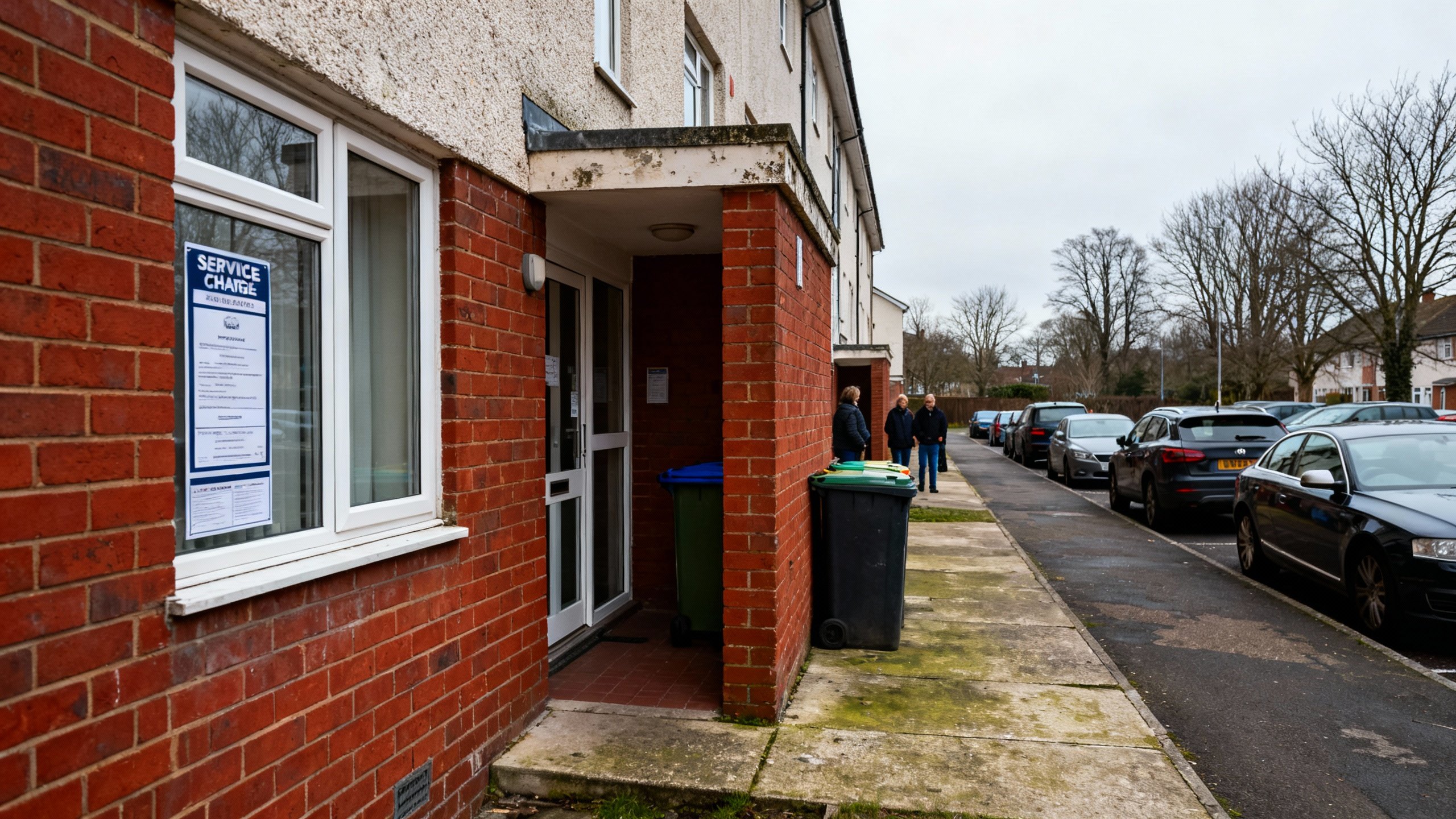
Leaseholders across England are reporting significant increases in service charges and reserve fund contributions as the government’s leasehold reform legislation remains incomplete, despite the primary legislation receiving royal assent.
In Birmingham’s Moseley district, residents at Wakefield Court have received demands for contributions towards a £400,000 reserve fund for roof replacement and other works. One leaseholder, a full-time teacher, reported monthly payments of £800 for service charges and reserve fund contributions, followed by a pre-Christmas demand for £14,000.
The resident has taken a second job to meet the payments. “I just did not expect any of this when I purchased my property,” she stated.
Implementation delays
Labour initially pledged to abolish leasehold within 100 days of taking office but subsequently withdrew this commitment, citing the complexity of the reform process. The secondary legislation required to implement the reforms was scheduled for publication before Christmas but has not yet been released.
Reports indicate disagreements within the Cabinet Office regarding specific provisions of the secondary legislation. The planned reforms include reducing costs for lease extensions, mandating greater transparency in service charge calculations, and simplifying the process for leaseholders to assume management responsibilities. Uncertainty remains over whether the legislation will cap annual ground rent charges for existing leaseholders.
Case studies
At Wakefield Court, residents have invested 18 months and £15,000 pursuing a right to manage process to transfer control from the Freshwater Group, a London-based property management company. Residents claim the latest billing has been expedited ahead of the anticipated transfer. One leaseholder of over 20 years described the situation as “ruining people’s lives”.
The Freshwater Group denied the allegations, stating the works have been under consultation for years. “It has nothing to do with any right to manage. It is about maintaining and preserving the fabric of the building and ensuring it is weathertight, safe and insurable,” a company representative said.
In Wanstead, east London, leaseholders at Buxton, Hood and Lister Lodges face bills of approximately £40,000 per household for major works initially estimated at £4,500 when quoted in 2020. The works, first planned over five years ago, have not commenced. Liz Withnall, who purchased her two-bedroom flat in 2020, stated the escalating costs have prevented her from selling the property.
The freeholder, Newham Council, has been accused by residents of decades of building neglect. “In the course of the five years this has been going on, I’ve had another child. So it’s now me, my partner and two children in a two-bed flat and we can’t move,” Withnall said.
In Hackney’s Pickering Close, a leaseholder has vacated his flat after ceiling cracks developed. The management company, FirstPort, has not repaired the roof, resulting in water ingress during rainfall. A neighbouring flat has experienced a ceiling collapse. The resident is now paying both rent and his mortgage, and has received an additional £3,000 bill from FirstPort.
Market implications
FirstPort is among Britain’s largest property management companies and has attracted government scrutiny following numerous complaints. The inability of affected leaseholders to sell their properties could have broader implications for the leasehold market, particularly in the conversion flat sector.
The delays in implementing leasehold reform may affect transaction volumes in the leasehold market as potential buyers become more cautious about long-term cost exposure. Industry observers note that the uncertainty surrounding ground rent caps and service charge regulation could influence pricing in the secondary market for leasehold properties.